Setting up the programme
For two years, the Middle School Erasmus team worked on this project and succeeded in securing Erasmus+ funding for a five-year period starting in 2024. This would not have been possible without the invaluable help of our colleagues in the vocational high school’s Erasmus+ team.
How does it work?
Each mobility is linked to an educational project put forward by teachers willing to lead initiatives. This project must be:
- Approved by the teaching team and the school,
- Approved by the regional Erasmus+ agency, no later than the school year before the mobilities take place.
Traditional cultural trips, consisting only of visits and excursions, are not eligible for Erasmus+ funding.
The aims of the Erasmus+ programme at Institution Saint-Gabriel Notre-Dame
Opening up to Europe and the world
Learning differently, for young people and adults alike.
Building international links
Both professionally and personally.
Daring to go abroad
To get to know oneself and become more independent.
Learning languages by living them
Day to day.
Promoting eco-friendly travel
Mastering digital tools
Using them and teaching how to use them responsibly.
Building new links within the Institution
Nursery and primary school, middle school, vocational high school, BTS, through projects that bring everyone together.
Making educational trips abroad accessible
Thanks to Erasmus+ funding.
Completed projects
Erasmus+ mobilities at the middle school (2024–2026)
Group mobilities
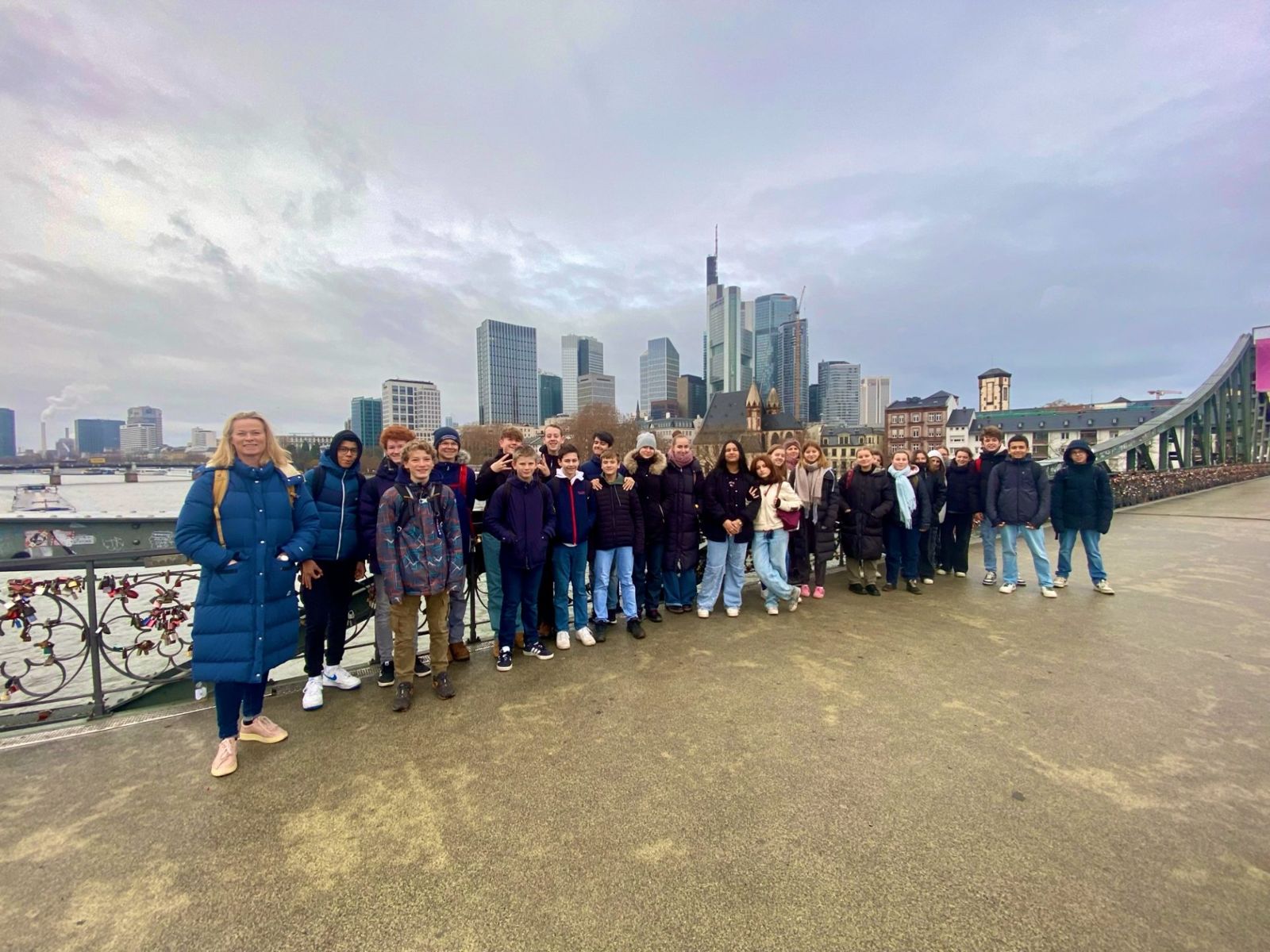
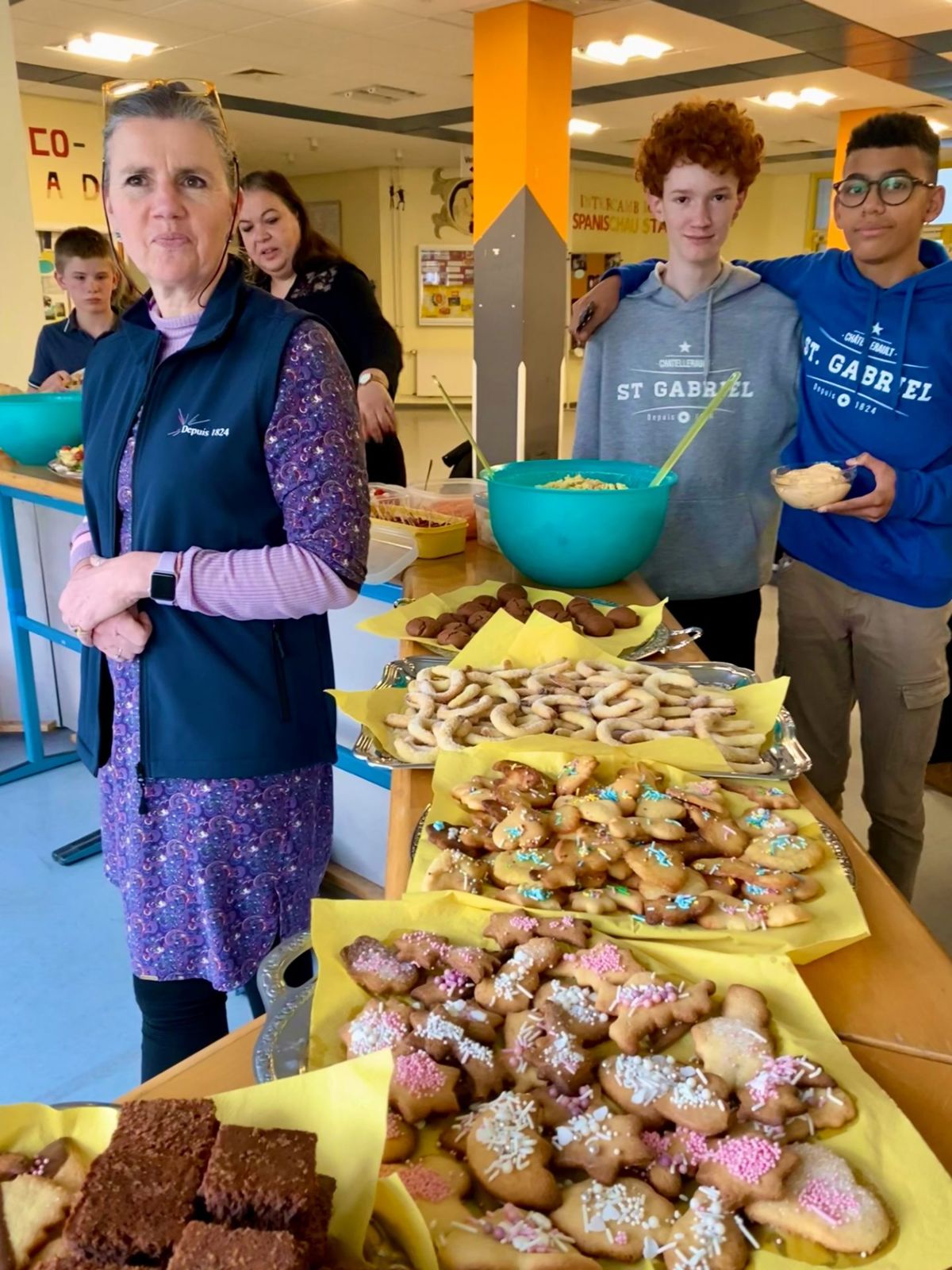
27 3ᵉ pupils taking the German-English bilingual option spend a week staying with a German family, as the first part of an exchange. Teaching material, specially created and assessed for this project, enables pupils to learn alongside their German partner with the family, in class and during activities outside the partner school.
Objectives
- Revising, applying and deepening the topics covered in the German-English bilingual option from 6ᵉ to 3ᵉ.
- A journey through time to explore the immense European cultural heritage of the partner region and its neighbouring Länder (Roman remains, the political organisation and election of the Holy Roman Emperors, printing, art, literature, the school system, etc.).
- Raising awareness of environmental protection by studying the benefits of travelling by train.
- Getting to know and living out our shared European values during the tri-national meeting with Spanish and German pupils in Germany.
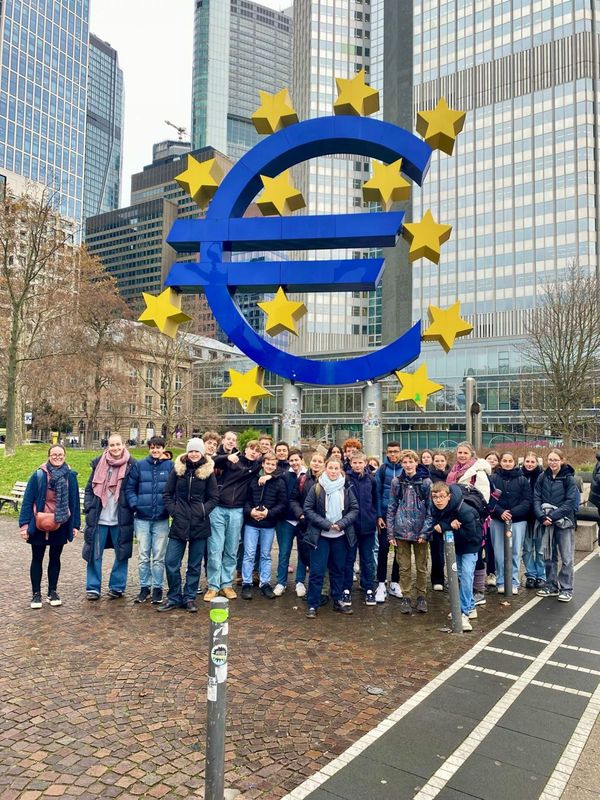
- Discovering the European institutions through a visit to Frankfurt, Europe’s financial capital.
- Questioning the world, getting to know oneself and becoming more independent.
- Preparing pupils for the DSD German certification (level A2/B1).
Short individual mobility
Thanks to our Franco-German partnership and Erasmus+, one 3ᵉ pupil was able to spend 17 days immersed in a German family and school.
Staff training
Seven staff members took part in European professional training, enabling them:
- to bring creativity and innovation into their lessons,
- to explore cultural heritage with pupils,
- to combine modern languages with the teaching of other subjects, such as art, history or geography,
- to master digital tools: using them and teaching how to use them responsibly,
- to build links with European partners, and compare and question teaching practices.
eTwinning project of the 6ᵉ “Europe and Culture” class
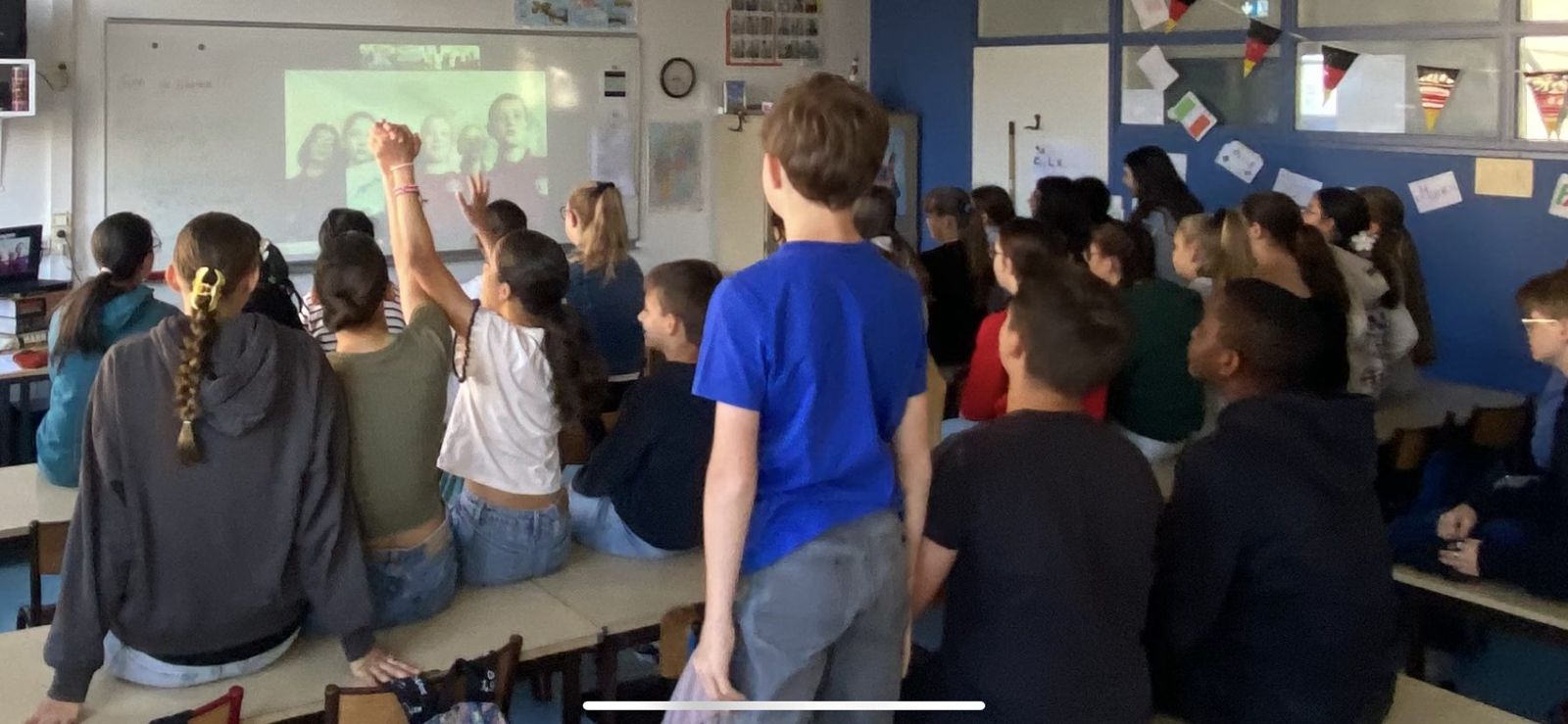
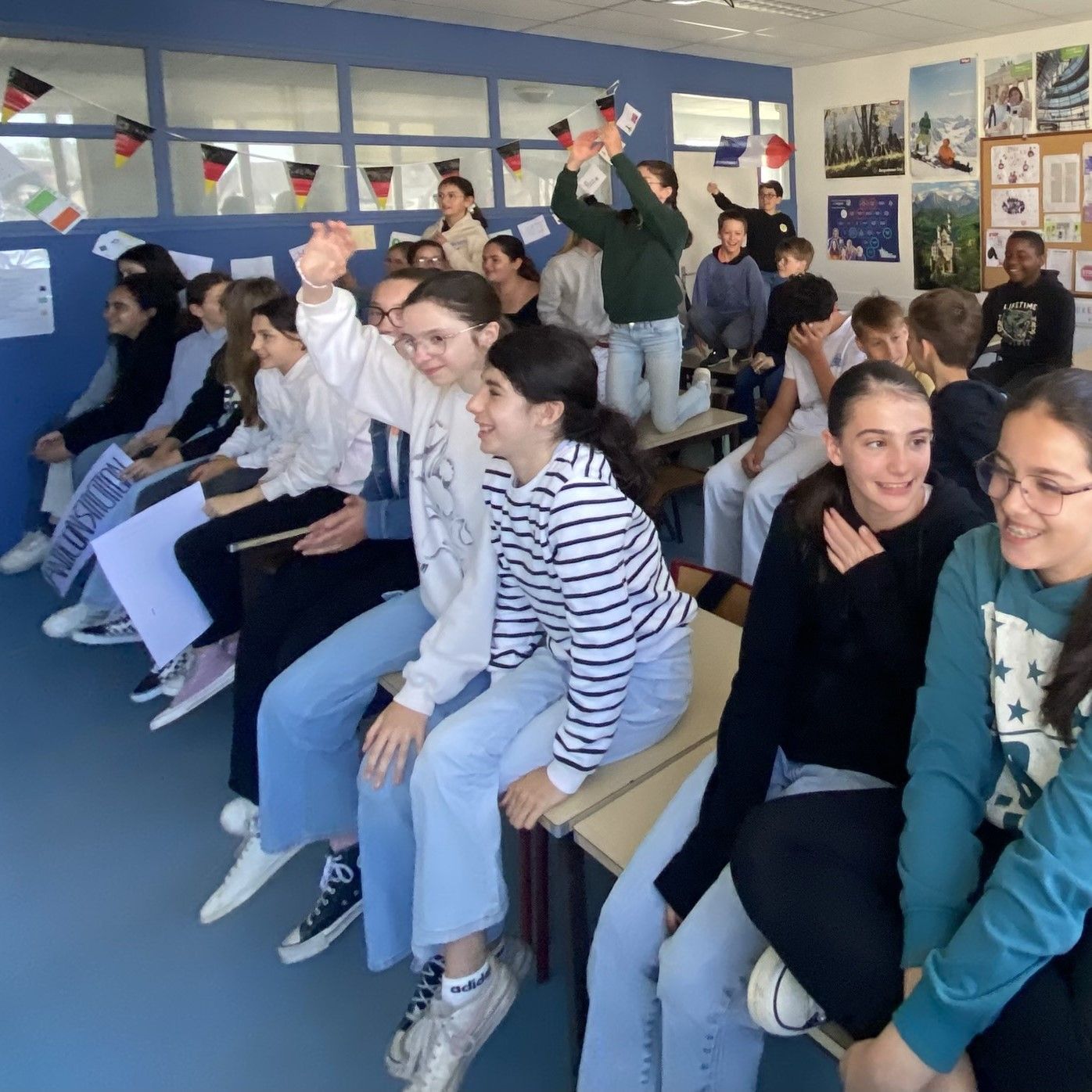
The “Culture Parcel” project runs throughout the school year. It includes two exchanges of cultural parcels, containing letters and objects made by the pupils, as well as two video conferences in English with our European partners (Czech Republic and Poland).
European Day of Languages
Languages are celebrated through a dictation in English and German, awareness-raising about linguistic diversity and fun activities across several subjects.
“It is in Europe that I place my hope. A Europe that has overcome hatred and barbarism to set out on the path of democracy and solidarity between the peoples that make it up.”Simone Veil